Donning her glares & summer hat, Sheila walks into the voting booth. Middle aged women, Bharti & Rupalaxmi cover their rustic faces with scarves waiting to get inked for their right. At the stairs of the booth, Bansilal, an old man squats down dehydrated, just when he was about to reach the last step to elect his inspirational leader. But right now, all what Bansilal needs is water, which comes at a price! Across the road, Shaheen, gets her little daughter Aliyaa to the voting booth. Aliyaa doesn’t have a voting right yet, but can’t be left alone due to the asthama she got diagnosed last winter. Braving the air pollution, Aliyaa foresees herself getting inked when she grows up like her mom.
Sheila, Bharti, Rupalaxmi, Bansilal, Shaheen, Aliyaa & many others are reaching the voting booths braving the bare necessities of liveable temperatures, breathable air, garbage free land & pure water. They are voicing their rights based on the manifestos of smart cities, smart future & religion issues.
As citizens, we all have been oblivious to the voting scenario of no party having environment, as a priority in their manifesto. Without clean air to breathe or clean water to drink or clean land to live, no caste, no religion or no human foresees a future on this planet. Carl Sagan has rightly said, “Anything else you are interested in is not going to happen if you can’t breathe the air and drink the water.”
India today, is still reeling from flood damages in Uttarakhand & Kerala. The draughts of Vidarbha are braved every year. Every monsoon, Mumbai breaks down with water logging. Pure water from the tap for 24 hours a day still seems a farfetched amenity in spite of the escalating land costs.
Endorsements of ambitious clean India need to connect behavioural changes at the grass root levels. The pursuit of ‘Nal se Jal’ in every household, contradicts the fact that the world is looming the warfront for the last drop of water.
Smart & Clean India branding wave has definitely built in a virtual dreamy cloud far from reality. It definitely has raised awareness amidst the masses at large, who are inspired towards a common goal for a better India. As the branding wave transcends to ground reality, the urgency of environmental changes occurring around us still remains tucked away from priority.
The environment does not understand political or linguistic boundaries. Until someone loses an election due to air quality or river pollution, don’t expect the issue to invite the political will to tackle this prevailing danger. Hoping the environmental crisis grants us basic survival until then. Till then, the question remains whether the environment and climate change will ever become an electoral issue in India?
CLIMATE RESPONSIVE LANDSCAPING
Whether by accident or design,
We are here.
Let’s make the most of it my friend.
Make happiness our pursuit,
Spread a little sunshine here and there.
Enjoy the flowers, the breeze,
Rivers, sea and sky,
Mountains and tall waving trees.
~ Ruskin Bond
These lines of Ruskin in present times bring us to the world outside our windows in high rise towers. Landscape is one of the fundamental aspects in urban residential or commercial infrastructures. Landscape has had a unique position in discussions related to sustainable development in architecture and urban planning. Hence, landscaping is regarded as one of the crucial elements in urban sustainable development. It is the art and science of organizing land and open spaces with elements to be used in an appropriate, healthy and pleasant way. Landscaping is one of the basics for sustainable building designs.
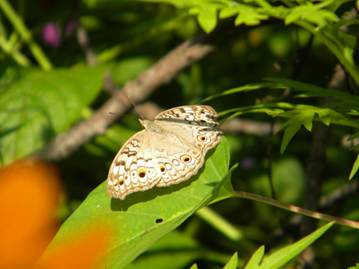
Presently, landscaping is more focused on aesthetics with use of non- indigenous or exotic varieties of plantation between amenities like swimming pools and gyms. But do these exotic flowering plants do more than being eye candy? What if native species are planted, which not only are aesthetically flowering but also enhance the overall ecosystem of your premises. What if the canopy level of such plantations provides ample shade and reduces glare from open parking? Such native plantations are feeders for the morning bird calls you shall here. Also, these are feeders for colourful butterflies basking in the morning sun. These native species give you the fresh breathe while you complete your morning jog. Therefore, a right way of landscaping has become a real need, which is responsive to the local environment, re-generative, and can actively contribute to the development of healthy communities. The plants, tree structures and other features you place on your property impact more than just the appearance of your homes. Understanding how landscaping affects you and your surroundings helps determine a direction for planning your outdoor space. You can get maximum return from your investment while minimizing negative effects on your family and the environment.
Sustainable landscapes sequester carbon, clean the air and water, increase energy efficiency, restore habitats, and create value through significant economic, social and, environmental benefits.
Encouraging survival of indigenous trees & woody shrub species is essential. They are maintained to survive the site-specific stresses while carrying out functions like improvement of micro-climate, absorption of pollutants, prevention of soil erosion, detoxification of contaminated soils, creation of channels for infiltration of water in ground, stabilization of coarse or sloping soils, etc.
Proper landscaping increases energy efficiency of the building by reducing the urban heat island effect and improving the microclimate of your premises. Tree canopy and height shade the building or the outdoor air conditioning unit, in turn can reduce the need to run the air conditioner. Meanwhile, a windbreak of trees eases the noise pollution and pollutant concentration from the adjacent road, bridge or highway. Indigenous species restore habitats and local food web on which local biodiversity of birds, insects and animals are dependent. Butterfly gardens can be planned at sunny and less windy side of the projects with native host and nectar plants. Fruit trees also support local biodiversity like squirrels, birds and butterflies etc. Lawns are water intensive; therefore, lesser lawn helps better in water management especially in a water scarce country like India.
Landscapes should be designed adjunct with jogging and cycling tracks to inhale fresh oxygen during health related activities.
Zen zones in landscapes enhance the social well being of residents and also keep it an engaging garden with occupants. This promotes the importance of environment and the necessity of its protection.
Landscape principles in the true sense represent seven characteristics for a healthy urban environment: air quality, water quality and management, microclimate regulation, cultural services, development density, walkability, and transit.
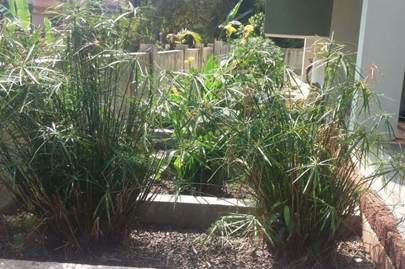
In situ waste water treatment is mandatory almost everywhere in India for larger infrastructures and residential projects. Most of the residential projects install mechanical sewage treatment plants which require enormous amount of electricity and skilled manpower. However, natural systems like constructed wetlands or reed bed systems can treat waste water naturally with equal efficiency and lesser resources. Such system can be an integral part of the landscaping with use of local wetland plants for treatment of waste water. Flowering plants like Canna, Scirpus, Heliconia, Typha are used for these type of systems, which also improves the aesthetic of the spaces.
While planning rain water harvesting in your buildings, storm water runoff can be designed though plantation for maximum utilization of the rain water. It shall also improve ground water recharge. Water bodies like lakes or ponds can be good addition in the landscape areas, as a temperature controller of the area especially in the scorching heat of summer. Addition of floating wetlands also improves beauty and provides habitat for birds and fishes.
In a nutshell, climate responsive landscaping are ways to beautify and improve your spaces while letting nature heal. Sustainable landscapes are designed to thrive in local temperatures, rainfall and weather patterns. A good sustainable landscape works with nature, not against it, and does well with little or no human help. By reducing resources needed to keep up your landscape, you can create an outdoor area that is both beautiful and self-sustaining.